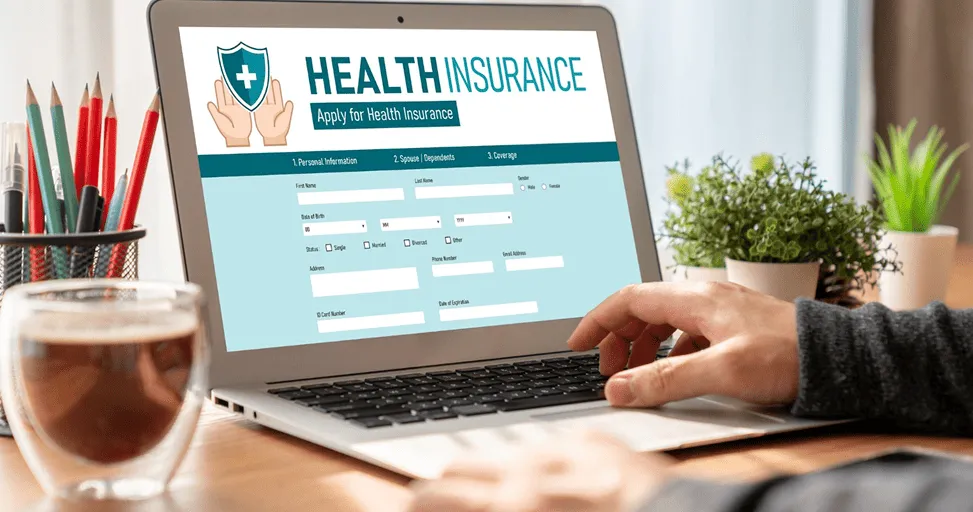
How to Select the Best Health Insurance Plan
Finding the most suitable health insurance plan is not an easy job. There are many choices, and at the same time, the documentation might look very complicated. Nevertheless, deciding on the right medical insurance is one of the most significant decisions you might make regarding your family and your finances. Just a single hospitalisation could cost you a lot of money and could be the result of years and years of hard work.
This health insurance handbook is designed to help you better understand the ways of determining what kind of policy is right for you. In fact, the guide intends to simplify the process of comparing different health insurance plans so that the one you choose is the best possible match for your circumstances.
Analyse Your Needs
It is really important that you first take a good, long look at your own health before you open an insurance brochure (or if you look at more than one, definitely before you start decision-making). Your age, family size, and medical history will be the key things that determine your health.
Being young and not having any health problems means that you could simply get away with a minimal level of cover that will protect you from accidents and unexpected sickness only. In case you are with kids and parents who are getting older, then your requirements will be very different. Usually, for a family, the "family floater" plan comes up as the best option. This kind of health plan will cover the entire family on one single plan, which is definitely more economical.
On top of that, it is necessary to take into consideration any medical conditions that you could already be having, for example, diabetes or high blood pressure. There might be certain plans that require you to wait for a couple of years before they start covering those specific illnesses. Thus, if you have a health problem that is continuously bothering you, then you should be looking for a plan with the minimum waiting period.
Check the healthcare benefits and rules
When you compare health insurance, do not just look at the price. You must check what the plan actually covers. A good policy should cover more than just the time you spend in a hospital bed.
First, look for pre-hospitalisation and post-hospitalisation coverage. This means the insurance company pays for the doctor visits, medical tests, and medicines you need before you go into the hospital and after you come home.
Second, check for "daycare procedures." Many modern medical treatments take less than 24 hours. For example, eye surgeries or kidney stone removals often let you go home the same day. Make sure your policy covers these quick treatments.
Third, look out for hidden limits. Some cheap policies have "room rent limits." If your plan only pays for a basic hospital room, but you stay in a private room, the company will make you pay a big part of the total bill out of your own pocket. Try to find a plan that has no limits on room rent.
Balance your health plan costs
Everyone wants to save money, but buying the cheapest policy can be a mistake. You need to understand how different health plan costs work together.
The premium is basically your yearly or monthly payment that keeps your insurance coverage going. If you go for a plan with a tiny premium, there is a chance that you will have to experience a concept called co-payment. Co-payment is when you get sick, not only does the insurance company pay a portion of your hospital bill, but you also have to cover a percentage (for example, 10% or 20%) from your savings. Generally, it's smarter to pay a higher premium so that you don't have to worry about large out-of-pocket payments during a health crisis.
Besides, the total sum insured is another factor you shouldn't miss. This is the highest limit that the insurance company will pay out within a year. Since healthcare expenses are escalating rapidly, make sure that your comprehensive coverage is adequate enough to support a major health issue.
Check the hospital network
In a medical emergency, you do not want to worry about paying bills first and asking the insurance company for the money later. This is why you must check the insurer’s network of hospitals.
Network hospitals have an agreement with the insurance company to provide cashless treatment. When you go to a network hospital, you just show your insurance card. The hospital and the insurance company talk directly to settle the bills. You only pay for items that are not covered, like food or extra gloves.
Before you buy any plan, check the list of network hospitals. Make sure there are good, trusted hospitals near your home that accept your specific insurance.
Look at the claim settlement ratio
The claim settlement ratio tells you how reliable an insurance company is. It shows the percentage of claims the company actually paid out compared to the number of claims they received.
For example, if a company has a ratio of 95%, it means they approved 95 out of every 100 claims. You should always look for a company with a high ratio, preferably above 90% or 95%. This gives you peace of mind that the company will help you when you truly need it, instead of rejecting your paperwork.
Summary
It will take only a small amount of time and effort to find the best health insurance policy, but it is definitely worth it. Don't be tempted to make a quick decision just because a plan is inexpensive. Consider spending some time assessing your family's health requirements, checking the list of empanelled hospitals, and going through the main rules on what is covered. By doing this, you are sure to land a dependable health plan that will safeguard not only your physical health but also your finances.
Trending Blogs

Understanding Mortgage Basics Before Buying a Home
Understand mortgage basics before buying a home, including loan types, interest rates, down payments, monthly payments, and approval requirements.

Budget-Friendly Home Improvement Ideas That Work
Explore budget-friendly home improvement ideas that refresh your space, improve comfort, add value, and work well without a major renovation budget.

Kitchen Upgrade Ideas Without a Full Renovation
Find kitchen upgrade ideas that improve style and function without a full renovation, including lighting, cabinets, storage, hardware, and surfaces.

How Better Lighting Can Improve Your Living Space
Learn how better lighting can improve your living space by enhancing mood, comfort, design, functionality, and the overall feel of each room.

Home Maintenance Tasks People Often Forget
Review home maintenance tasks people often forget, from filters and gutters to safety checks, appliance care, seasonal repairs, and hidden problem areas.

Real Estate Investment Mistakes Beginners Should A...
Discover real estate investment mistakes beginners should avoid, from poor research and overpaying to ignoring cash flow, repairs, and location risks.
