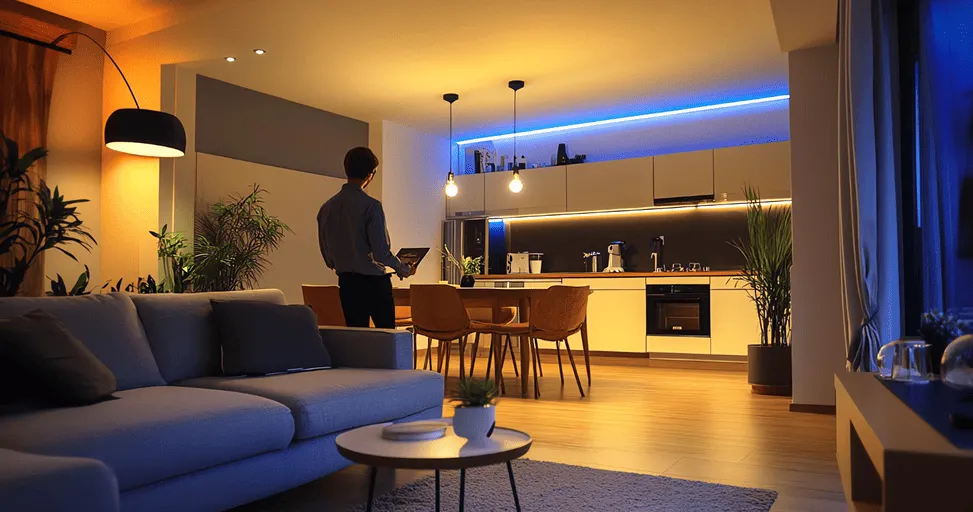
How Better Lighting Can Improve Your Living Space
Painting, furniture and decoration all focus on these things while people renovate their houses. Although these matters are important, the aspect of lighting is frequently disregarded. The fact of the matter is that better lighting for living space can create a major impact without having to do any renovations or costly improvements.
If lighting is better it can change the way rooms look and can make the room look bigger, brighter and more appealing. It even enhances the mood, relaxation and improves everyday activities in the room.
Here is what improved lighting can do for the house.
Improved lighting changes the mood
The amount and types of lights in the room can alter the feeling of the occupants in the room.
Bright lighting will help to create an environment of energy, productivity and activity. That is why bright lighting suits kitchen spaces, home offices and study rooms.
Moreover, soft light is comforting and makes it a lot easier to unwind after working the whole day.
It Gives the Perception of Larger and Brighter Spaces
Rooms that are not well lit generally tend to look smaller and very claustrophobic. A perfectly furnished home can even look gloomy if there is not enough lighting.
Adding more light fixtures to rooms suggests the idea of added space. Rooms brightened with natural light look renewed.
Some simple changes may be just getting a different color of the lampshade, putting in floor lamps and hanging mirrors next to the windows.
It Improves Everyday Comfort
The room needs not only to be good-looking but functional as well.
Insufficient lighting will create difficulties when reading books, cooking, working or studying. In addition, it may lead to eye problems over time.
Sufficient and proper lighting makes daily activities easier and more comfortable. For instance, the place where a person enjoys reading must have bright and focused light.
If the room is used for other purposes, the lights should correspond with the requirements of its functions.
It Highlights the Best Features
Each home has some worthy showing off things.These can range from artwork, bookshelves, plants, to architectural elements.
Lighting can attract the attention to these things and make stand out.
Through effective lighting, one can give a room dimensionality and enhance its appeal. Rather than all things appearing flat and uniform, particular sections of the room get highlighted and enhanced.
This way, the balance of the room gets improved as well.
Better Lighting Improves Home Design
From the aspect of the home design a good lighting enhances its interior. It doesn't matter how pleasing furniture is in the house, poor lighting can spoil its appearance.
With combined sources of light people can achieve a desirable result. Many designers used layers of lighting fixtures, such as ceiling, table, wall and floor lamps.
This helps create an appealing layered effect.
People may not be able to point out the specific changes in the room but they definitely will notice the difference of lighting, if it is improved.
Natural Light Makes a Big Difference
When it comes to home improvement just letting in more natural light is still one of the easiest and most effective ways.
Sunlight really enhances the colors of a room, it can make a room appear light, airy and appealing.
People can block or cover their windows if they want to let in a little more light. Other way, they can use light curtains and even change upon the location of the furniture if the pieces are big and wide.
Simply combining natural light with the help of artificial lighting can set a pleasant mood throughout the day.
Lighting Can Support Well-Being
People do not know about how lighting greatly influences our health.
Sunny and bright days during the daytime will make us active and productive.
Soft and mild lighting during evenings will relax people in preparation for sleep.
Thus, appropriate lighting at different times of the day will lead to better daily routines.
Easy Ways to Improve Lighting
It’s not necessary to spend a huge amount on lighting improvement projects.
Some simple measures can be effective enough. They include:
-
Upgrading old bulbs to new and bright ones
-
Introducing table or floor lamps
-
Installing mirrors to help reflect light
-
Cleaning windows and keeping them clear from dust
-
Choosing lighter colors for walls
-
Using flexible lighting sources wherever applicable
-
Introduction of task lighting in work or study rooms
Small changes can produce big effects.
Conclusion
The effect of lighting in the house is far greater than people might think at first. Lighting impacts mood, comfort, design and functional elements of a room all the time. A lightning room seems brighter and more comfortable.
The best part of the matter is that the lighting upgrade doesn’t need to be a complicated and costly project. Small and inexpensive changes can be very effective.
For those who want to improve their living spaces and make them more comfortable and visually appealing, better lighting for living space can become a very convenient solution.
Trending Blogs
Understanding Mortgage Basics Before Buying a Home
Understand mortgage basics before buying a home, including loan types, interest rates, down payments, monthly payments, and approval requirements.

Budget-Friendly Home Improvement Ideas That Work
Explore budget-friendly home improvement ideas that refresh your space, improve comfort, add value, and work well without a major renovation budget.

Kitchen Upgrade Ideas Without a Full Renovation
Find kitchen upgrade ideas that improve style and function without a full renovation, including lighting, cabinets, storage, hardware, and surfaces.

Home Maintenance Tasks People Often Forget
Review home maintenance tasks people often forget, from filters and gutters to safety checks, appliance care, seasonal repairs, and hidden problem areas.

Real Estate Investment Mistakes Beginners Should A...
Discover real estate investment mistakes beginners should avoid, from poor research and overpaying to ignoring cash flow, repairs, and location risks.

Renting vs Buying: Key Factors to Consider
Compare renting vs buying by looking at costs, lifestyle needs, long-term plans, mortgage options, flexibility, and financial responsibility.
