
Understanding Mortgage Basics Before Buying a Home
Buying a home for people is one of the biggest decisions in people's lives. The experience may be exciting yet confusing at times. Among the many factors that people require comprehending prior to purchasing property is the mortgage basics.
Comprehending some basic concepts about mortgages will enable you to make sound judgment calls and prevent costly blunders. Understanding mortgages provides a sense of confidence during the home acquisition process.
What Is a Mortgage?
A mortgage is a type of loan offered to assist people in acquiring their homes. Individuals cannot afford to buy houses by paying the total cost in cash; thus, they require financial assistance in buying the property.
In return, the lender supplies the necessary cash required to facilitate the purchase. Individuals agree to repay the funds borrowed via regular instalments on a monthly basis.
The property serves as collateral in the entire transaction. It means that if the borrower becomes a defaulter, the lender may reclaim the property.
This definition is simple: buyers must know the basics of mortgages.
Different Types of Mortgages
Different types of mortgages exist. They vary in several characteristics and affect the mortgage process differently.
A fixed rate mortgage is when the interest rate does not change throughout the loan term. The monthly payments remain consistent during the lifetime of the mortgage.
On the other hand, the interest rate for a variable-rate mortgage may rise or fall. This implies changes in monthly payments for mortgage holders.
Some lenders provide mortgages tailored for first time buyers, people who work for themselves or depositors with low deposits.
It is crucial to investigate the various types of mortgages available before making a choice.
What Is an Interest Rate?
Interest rate refers to the price of borrowing.
In the case of a mortgage, the lender charges interest on borrowed money as a compensation. It is the main source of the lender's income.
For instance, when an individual takes a loan for buying a house, he or she will pay back the initial sum of money plus interest.
A slight change in the interest rate leads to a significant difference in payments.
The borrower may benefit from it if the rate is low because it results in saving thousands of pounds.
What Is a Down Payment?
A deposit, alternatively referred to as a down payment, refers to the initial payment made by a purchaser in purchasing a property.
The mortgage takes care of the rest of the balance left.
As an example, assume that a particular property is worth Rs. 50 lakh. The person buying this property decides to pay a down payment of Rs. 10 lakhs. Consequently, a mortgage of Rs. 40 lakh will help this person acquire the property.
A higher down payment offers certain benefits for buyers. These include lower interest rates and less expensive mortgage repayments.
It takes time for buyers to save up enough for a down payment, but this approach makes home ownership cheaper and lowers expenses.
Understanding Monthly Mortgage Payments
Payments made under the mortgage scheme include many components apart from repayment of the loan.
The following are some components of these monthly payments:
-
Principal repayment
-
Interests charged
-
Expenses related to the property, based on the mortgage agreement
Various elements affect the monthly mortgage repayments, such as the total loan amount, rate of interest, and mortgage period.
Generally, longer mortgage periods have lower monthly repayments but attract higher interests in the long run.
Buyers must ensure that their monthly mortgage repayments are easy to pay.
Mortgage Approval Requirements
All lenders do not approve every application for mortgage loans automatically.
Instead, they first ensure that the applicants are able to repay their loans.
Some common conditions necessary for an approval may include:
-
Income proof
-
Employment details
-
Credit record
-
Other debts
-
Amount of deposit
Having a positive credit record may increase the likelihood of being approved. The lenders prefer applicants who demonstrate sound money management skills and are prompt in paying their bills.
Having these documents ready before applying makes the whole process easy and efficient.
Why Mortgage Basics Matter
When buying a home for the first time, most people concentrate only on the selection of a perfect home. This, however, should not be the case.
In fact, knowing all the basics about mortgages is equally important when purchasing a house.
This enables the buyers to know what they can actually afford and the duties and obligations that come with home ownership.
Mortgage basics can be useful in comparing different mortgage loan packages as well.
Conclusion
The process of purchasing a home is definitely something that everyone will love, although there is some need to educate oneself on mortgages before making any kind of commitment.
By understanding the basics, buyers will have a good idea of what loan options exist, how interest rates affect their choices, and what the minimum deposits should be. All these play a big role in the entire process of buying a house.
Knowledge gained before anything else will prove to be very valuable in the future.
Trending Blogs

Budget-Friendly Home Improvement Ideas That Work
Explore budget-friendly home improvement ideas that refresh your space, improve comfort, add value, and work well without a major renovation budget.

Kitchen Upgrade Ideas Without a Full Renovation
Find kitchen upgrade ideas that improve style and function without a full renovation, including lighting, cabinets, storage, hardware, and surfaces.

How Better Lighting Can Improve Your Living Space
Learn how better lighting can improve your living space by enhancing mood, comfort, design, functionality, and the overall feel of each room.

Home Maintenance Tasks People Often Forget
Review home maintenance tasks people often forget, from filters and gutters to safety checks, appliance care, seasonal repairs, and hidden problem areas.

Real Estate Investment Mistakes Beginners Should A...
Discover real estate investment mistakes beginners should avoid, from poor research and overpaying to ignoring cash flow, repairs, and location risks.
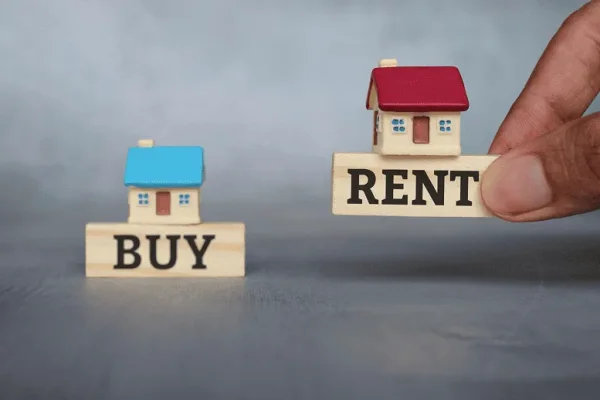
Renting vs Buying: Key Factors to Consider
Compare renting vs buying by looking at costs, lifestyle needs, long-term plans, mortgage options, flexibility, and financial responsibility.
