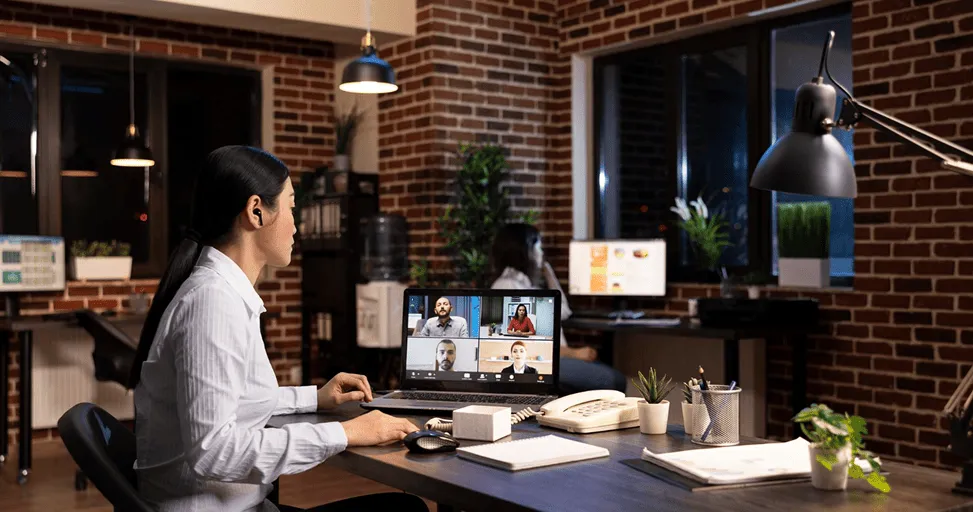
How Remote Work Is Reshaping Company Culture
A few years ago, company culture was all about the physical office. It was about the posters on the walls, the free coffee in the break room, and the casual chats near the water cooler. When people worked in the same building, creating a company culture happened naturally because everyone spent their days together.
Today, things look very different. Millions of people do their jobs from their living rooms, spare bedrooms, or local coffee shops. This shift has changed more than just where we sit; it has completely changed how companies operate. Building a healthy remote work culture is now one of the biggest goals for businesses around the world.
The shift in everyday communication
In a traditional office, communication is quick and casual. You can lean over your desk to ask a coworker a quick question, or walk down the hallway to chat with your manager.
With remote work, all of that spontaneous chatting disappears. Every conversation has to become intentional. If you want to ask a question, you have to type a message on an app like Slack or book a formal video call on Zoom.
While this structure helps people focus on their work without constant interruptions, it can also make the workplace feel cold and purely transactional. Employees can start to feel like they are just typing into a screen rather than talking to real human beings. Because of this, companies now have to create specific digital spaces just for fun conversations, like online games or virtual coffee breaks, to keep the human connection alive.
Redefining teamwork and collaboration
Teamwork used to mean gathering in a conference room with a whiteboard and sticky notes to brainstorm ideas. Everyone talked at the same time, and decisions were made in the moment.
Remote work forces teams to collaborate differently. Since team members might be working at different times or even in different time zones, they rely heavily on digital tools to track projects. People write down their thoughts in shared documents, update progress bars on project boards, and leave comments for each other to read later.
This style of teamwork requires a high level of clarity. You cannot rely on hand gestures or tone of voice to explain an idea anymore. Everything must be written down clearly. While this can slow things down initially, it often leads to better documentation and fewer misunderstandings in the long run.
A new style of leadership
The change in workplace structure has also forced managers to change how they lead. In an old-school office, some managers judged an employee's hard work simply by looking at who arrived earliest in the morning and who left latest at night.
In a remote setting, that physical visibility is gone. A manager cannot see if an employee is staring at their screen or taking a walk. Good remote leaders have learned to stop monitoring hours and start measuring actual results.
This requires a huge amount of trust. Instead of micro-managing every single detail, leaders must set clear goals and give their team members the freedom to reach those goals on their own schedule. A micromanaging boss who demands constant updates can quickly destroy a remote work culture by making employees feel stressed and mistrusted.
Changing employee expectations
Remote work has shifted the balance of power when it comes to what workers expect from their employers. Employees have tasted the freedom of skipping long, stressful daily commutes. They have enjoyed having more time to eat breakfast with their kids, walk their dogs, or exercise during the day.
Because of this, flexibility is no longer seen as a special perk. It is now a basic requirement for many job seekers. Workers are actively choosing companies that respect their personal time and offer a healthy work-life balance. Companies that try to force everyone back into an office full-time without a clear, logical reason are finding it harder to keep their best talent.
The future of workplace flexibility
Looking ahead, the future of work does not belong entirely to the physical office, nor does it belong completely to working from home. The future is hybrid.
Many companies are settling on a model where employees come to the office for two or three days a week to do team planning, meetings, and social events. Then, they spend the rest of the week working from home to focus on deep, quiet tasks.
This hybrid approach gives workers the best of both worlds. It keeps the human bond of an office culture alive while preserving the freedom and quiet focus of working from home.
Summary
Remote work has permanently changed the blueprint of company culture. It requires more deliberate communication, deeper trust from leaders, and a heavy reliance on digital tools. While building a strong culture across separate computer screens is challenging, the rewards are massive. Companies that adapt to this new way of working end up with happier, more productive employees who feel respected both as workers and as human beings.
Trending Blogs

Understanding Mortgage Basics Before Buying a Home
Understand mortgage basics before buying a home, including loan types, interest rates, down payments, monthly payments, and approval requirements.

Budget-Friendly Home Improvement Ideas That Work
Explore budget-friendly home improvement ideas that refresh your space, improve comfort, add value, and work well without a major renovation budget.

Kitchen Upgrade Ideas Without a Full Renovation
Find kitchen upgrade ideas that improve style and function without a full renovation, including lighting, cabinets, storage, hardware, and surfaces.

How Better Lighting Can Improve Your Living Space
Learn how better lighting can improve your living space by enhancing mood, comfort, design, functionality, and the overall feel of each room.

Home Maintenance Tasks People Often Forget
Review home maintenance tasks people often forget, from filters and gutters to safety checks, appliance care, seasonal repairs, and hidden problem areas.

Real Estate Investment Mistakes Beginners Should A...
Discover real estate investment mistakes beginners should avoid, from poor research and overpaying to ignoring cash flow, repairs, and location risks.
